Pelvic Floor Conditions We Treat

Helping Patients Manage Urinary Incontinence, OAB, Pelvic Pain & Pelvic Dysfunction

Incontinence therapy for Nursing Facilities
Pelvic Floor Rehabilitation for Physicians​
Pelvic Floor Rehabilitation for Physician Practices​
Incontinence solutions for Nursing Facilities

Expand Your Facilities Services with On-Site Pelvic Floor Rehabilitation

Pelvic floor dysfunction affects millions of women and men across all stages of life. Many patients silently manage symptoms like bladder leakage, urgency, pelvic pressure, or discomfort without realizing that effective, conservative treatment options are available.

At CoreHealth Solutions, we partner with physician practices to provide structured, in-office pelvic floor rehabilitation designed to address the underlying muscular and neuromuscular causes of dysfunction — not just mask symptoms.

Conditions we treat

Our conservative treatment programs are appropriate for patients experiencing:

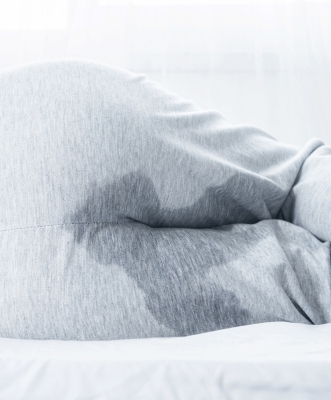
Stress Urinary Incontinence

Leakage that occurs during coughing, sneezing, laughing, lifting, or exercise is often caused by weakened pelvic floor muscles. Structured pelvic floor rehabilitation can improve muscle strength and coordination, helping reduce or eliminate leakage episodes without surgery.

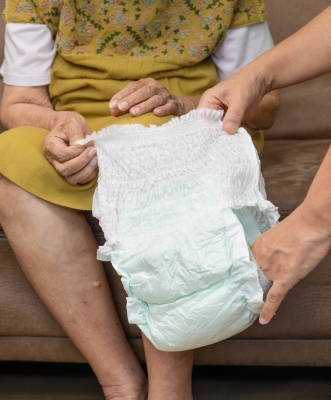
Urge Urinary Incontinence & Overactive Bladder (OAB)

Sudden, intense urges to urinate or frequent trips to the restroom can significantly disrupt daily life. Conservative pelvic floor therapy focuses on improving neuromuscular control and bladder coordination to help patients regain confidence and control.

Fecal Incontinence

Loss of bowel control can be distressing and isolating. Pelvic floor rehabilitation may help strengthen the muscles responsible for continence and improve coordination to support better control.

Mild Pelvic Organ Prolapse

Early-stage prolapse can often be managed conservatively through targeted strengthening and muscle retraining. Structured therapy may reduce symptoms such as pressure, heaviness, or discomfort.

Mild Pelvic Pain

Pelvic discomfort related to muscular dysfunction may improve with guided treatment aimed at restoring proper muscle activation and coordination. In addition, the use of gentle electric stimulation will help to increase blood flow, decrease muscle spasms and decrease pain.

Managing Incontinence Isn’t Enough Anymore

A Conservative, First-Line Approach

Pelvic floor rehabilitation is designed as a first-line, evidence-based treatment option before surgical or advanced procedural interventions are considered. By addressing muscle function and neuromuscular coordination, many patients experience meaningful improvement in symptoms and quality of life. All services are delivered in-office through our physician partners, ensuring continuity of care within a familiar and trusted clinical environment.